WayPonDEV Banana Pi Quad-Core SBC Review (2026): A Spec-Based Look
As an Amazon Associate we earn from qualifying purchases. Links on this page are affiliate links.
This waypondev banana pi m2 zero review covers a compact single-board computer built for tight spaces. It uses an Allwinner H3 quad-core Cortex-A7 processor paired with 512MB of DDR3 SDRAM. The board measures just 65mm by 30mm and weighs 15g. You get onboard Wi-Fi and Bluetooth for connectivity. It also features a 40-pin GPIO header compatible with Raspberry Pi accessories. This setup supports Android, Debian Linux, and Ubuntu. It is designed for lightweight systems where size matters more than raw power.
What stands out
- Allwinner H3 quad-core Cortex-A7 processor
- 512MB DDR3 SDRAM onboard
- Compact 65mm x 30mm dimensions
- 40-pin Raspberry Pi-compatible GPIO header
- Onboard Wi-Fi (AP6212) and Bluetooth
Who it fits
Good fit for
You should choose this board if you are building small IoT projects or educational prototypes. The 40-pin GPIO lets you connect sensors and modules easily. Its tiny size fits into enclosures that standard PCs cannot. The support for Debian and Ubuntu makes it suitable for basic Linux tasks. If you need a low-power compute node for home automation or simple data logging, this SBC provides the necessary interfaces without taking up much desk space.
Who should skip it
You should look elsewhere if you need to run modern desktop applications. The 512MB RAM is very limited for multitasking or web browsing. The Cortex-A7 cores are not designed for heavy computing or gaming. You will struggle to run complex software or high-resolution video playback. This board is not suitable for general-purpose desktop use. If you require more processing power or memory for standard computing tasks, this small form factor device will not meet your needs.
Verdict: This SBC is a practical choice for specific, space-constrained projects that rely on its GPIO and wireless features. It is not intended for general-purpose computing due to its limited memory and older processor architecture.
Key specs explained for this SBC
Processor: Allwinner H3, Quad-core Cortex-A7
This processor features four cores based on the older Cortex-A7 architecture. It handles basic tasks like web browsing and simple automation scripts. It is not designed for heavy video editing or modern gaming. You should compare this to modern x86 mini PCs which offer significantly higher performance for demanding workloads. It suits users who need low power consumption for light duties.
RAM Capacity: 512MB
The board includes only 512MB of system memory. This is very low by modern standards. It limits the number of open applications and browser tabs you can run simultaneously. You must compare this against typical mini PCs that start at 8GB or 16GB. This RAM amount is only suitable for lightweight Linux distributions or dedicated IoT devices that do not require multitasking.
RAM Type: DDR3 SDRAM
The system uses DDR3 memory technology. This is an older standard compared to the DDR4 or DDR5 found in current computers. DDR3 is slower and less energy-efficient than newer types. You will notice this when running multiple services. It is acceptable for simple single-board projects but is a significant limitation if you plan to use this as a primary desktop replacement.
Wireless Connectivity: Wi-Fi (AP6212), BT
The board includes built-in Wi-Fi and Bluetooth capabilities. This allows you to connect to networks and peripherals without extra adapters. The specific chip model is listed, which helps in finding driver support for Linux. This is essential for headless servers or smart home hubs. You should verify that your specific router is compatible with the supported Wi-Fi standards for this chip.
Compact Design and Physical Layout
The listing describes the WayPonDEV Banana Pi M2 Zero as a single-board computer with a footprint of 65mm by 30mm. This small size allows you to place it in tight spaces where larger computers cannot fit. The board weighs 15g, or 0.53 ounces, according to the data. This light weight makes it easy to mount inside other devices or enclosures without adding significant mass to the system.
It features a 40-pin GPIO header that is compatible with Raspberry Pi layouts. This means you can use many existing HATs and accessories designed for the Raspberry Pi ecosystem. The header includes connections for UART, SPI, and I2C. These interfaces let you connect sensors, displays, and other peripherals directly to the board. This layout is ideal for IoT projects and educational development where you need to interface with external hardware.
The design focuses on functionality over aesthetics. There are no fans or complex cooling structures listed. This passive design suits light-weight systems that do not generate much heat. The compact form factor and open-source nature make it suitable for space-limited applications. You can use it for simple automation tasks or as a learning tool for Linux and Android development. The physical constraints define its use case as a specialized component rather than a general-purpose desktop replacement.
Setup and everyday use
Setting up this single-board computer requires you to install an operating system first. The listing confirms support for Android, Debian Linux, and Ubuntu. You will need to write the chosen OS image to a storage medium before powering the board on. Once the software is loaded, you can connect to the network using the onboard Wi-Fi module. The AP6212 chip provides wireless connectivity without needing external adapters. Bluetooth is also available for pairing peripherals. The board features a 40-pin GPIO header. This interface is compatible with Raspberry Pi accessories. You can connect sensors, displays, or other electronic components directly to these pins. The UART, SPI, and I2C protocols are supported on the header. This makes the device suitable for IoT projects. Daily use involves running lightweight applications. The 512MB of DDR3 SDRAM limits multitasking. You should run one or two simple processes at a time. The quad-core Cortex-A7 processor handles basic automation scripts and web browsing. It is not intended for heavy media editing or gaming. The small form factor allows you to place it in tight spaces. You can mount it behind a monitor or inside a custom case. The device is ideal for educational development. You can use it to learn about Linux command lines or hardware programming. The compact size and low weight make it easy to move between projects. You get a versatile platform for learning electronics and software integration.
What You Need To Know
This single-board computer is not a replacement for a standard desktop. It is a component for specific projects. You must provide your own power supply and storage. The listing does not include a case, so you need to source one if you want protection. The 40-pin GPIO header requires jumper wires or a HAT to connect sensors and modules. Check your operating system compatibility before purchasing. While it supports Android, Debian, and Ubuntu, driver support for the Allwinner H3 can be limited on newer releases. You should verify that your preferred Linux distribution has kernel support for this chip. Maintenance involves keeping the board clean and ensuring adequate airflow. This unit fits into the broader category of 1 small form factor options by serving as a builder’s platform rather than a plug-and-play appliance. It suits hobbyists who enjoy wiring and coding. It is less suitable for users who want a ready-to-use computer out of the box.
Check before you buy
- Confirm you have a compatible power supply ready.
- Check Linux kernel support for your chosen OS.
- Source a protective case for the exposed board.
- Verify GPIO pin compatibility with your sensors.
The product at a glance
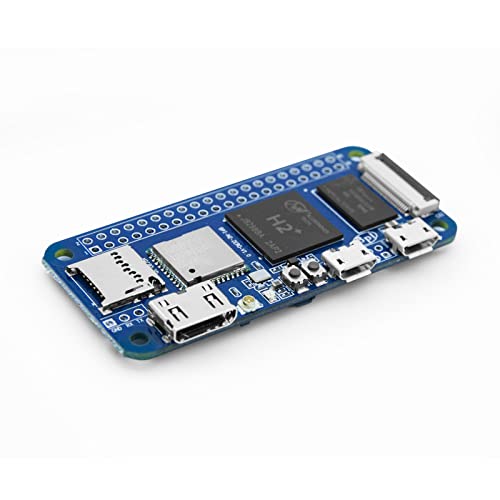
WayPonDEV Banana Pi Quad-Core SBC
Best for: lightweight IoT and educational projects
- Processor
- Allwinner H3, Quad-core Cortex-A7
- RAM Capacity
- 512MB
- RAM Type
- DDR3 SDRAM
- Wireless Connectivity
- Wi-Fi (AP6212), BT
- Operating System Support
- Android, Debian linux, Ubuntu
- Weight
- 0.53 ounces
View on Amazon: WayPonDEV Banana Pi Quad-Core SBC Affiliate link
The WayPonDEV Banana Pi M2 Zero is a compact single-board computer built for tight spaces. It uses an Allwinner H3 quad-core processor and includes 512 MB of DDR3 SDRAM. The board supports Android, Debian Linux, and Ubuntu. You get onboard Wi-Fi and Bluetooth connectivity. Its small 65mm by 30mm footprint makes it suitable for IoT projects and educational development tasks.
Pros
- Allwinner H3 quad-core Cortex-A7 processor
- 512 MB DDR3 SDRAM onboard
- Supports Android, Debian Linux, and Ubuntu
- 40-pin Raspberry Pi-compatible GPIO header
- Integrated Wi-Fi and Bluetooth
Cons
- Only 512 MB of RAM limits multitasking
- No Ethernet port listed in specifications
- Requires separate power supply and storage
Good fit if
- You need a tiny board for IoT sensors
- You are learning Linux on hardware
- You have very limited space for a project
Skip if
- You require high performance for desktop use
- You need wired Ethernet connectivity
- You want to run heavy applications
Verdict: WayPonDEV Banana Pi M2 Zero SBC is a basic entry point for hobbyists. It fits you if you are building simple IoT devices or learning embedded Linux.
Specifications side by side
| Spec | WayPonDEV Banana Pi Quad-Core SBC |
|---|---|
| Processor | Allwinner H3, Quad-core Cortex-A7 |
| RAM Capacity | 512MB |
| RAM Type | DDR3 SDRAM |
| Wireless Connectivity | Wi-Fi (AP6212), BT |
| Operating System Support | Android, Debian linux, Ubuntu |
| Operating System | Android |
| Weight | 0.53 ounces |
| Model | Banana Pi M2 Zero Allwinner H3 SBC |
Frequently asked questions
Is the WayPonDEV Banana Pi M2 Zero good for beginners?
Yes, it serves as a basic entry point for hobbyists. The compact Allwinner H3 processor handles simple tasks like web browsing and basic automation. You can use it to learn embedded Linux or build lightweight IoT devices. It is not designed for heavy video editing or gaming, making it suitable for educational projects.
What operating systems does this board support?
The listing confirms support for Android. You can also install Debian Linux and Ubuntu. You must write your chosen OS image to a storage medium before powering the board on. The board does not come with a pre-installed operating system, so you need to set it up yourself.
How small is the WayPonDEV Banana Pi M2 Zero?
The board measures 65mm by 30mm. It weighs only 15 grams. This tiny footprint allows you to place it in tight spaces where larger computers cannot fit. The small size makes it ideal for embedding into custom projects or small enclosures without taking up much room.
Does this single-board computer have Wi-Fi?
Yes, the board includes onboard Wi-Fi capabilities. This feature helps you connect to networks without needing extra adapters. It simplifies setup for IoT projects where wireless connectivity is required. You do not need to purchase separate wireless dongles for basic internet access.
What processor is inside the WayPonDEV Banana Pi M2 Zero?
It uses an Allwinner H3 quad-core Cortex-A7 processor. This chip features four cores based on an older architecture. It handles basic tasks efficiently but is not built for heavy workloads. You should expect performance suitable for simple scripts and light web browsing.
Do I need to buy a case for this board?
The listing does not include a case. You need to source one separately if you want protection for the components. Since the board is small and lightweight, a case helps prevent damage. You must also provide your own power supply and storage for operation.